3rd Shot Drop vs. Drive: Which to use and WHEN?
Affiliate Disclosure: This post may contain affiliate links. As an Amazon Associate, we earn from qualifying purchases at no extra cost to you.
ThatPickleballSchool
Hey guys, it's Kyle from ThatPickleballSchool.
The third shot of the rally-the serve is the first, the return is the second, and then comes the third. The legendary General Sun Tzu said, "Victorious warriors win first then go to war; defeated warriors go to war then seek to win."
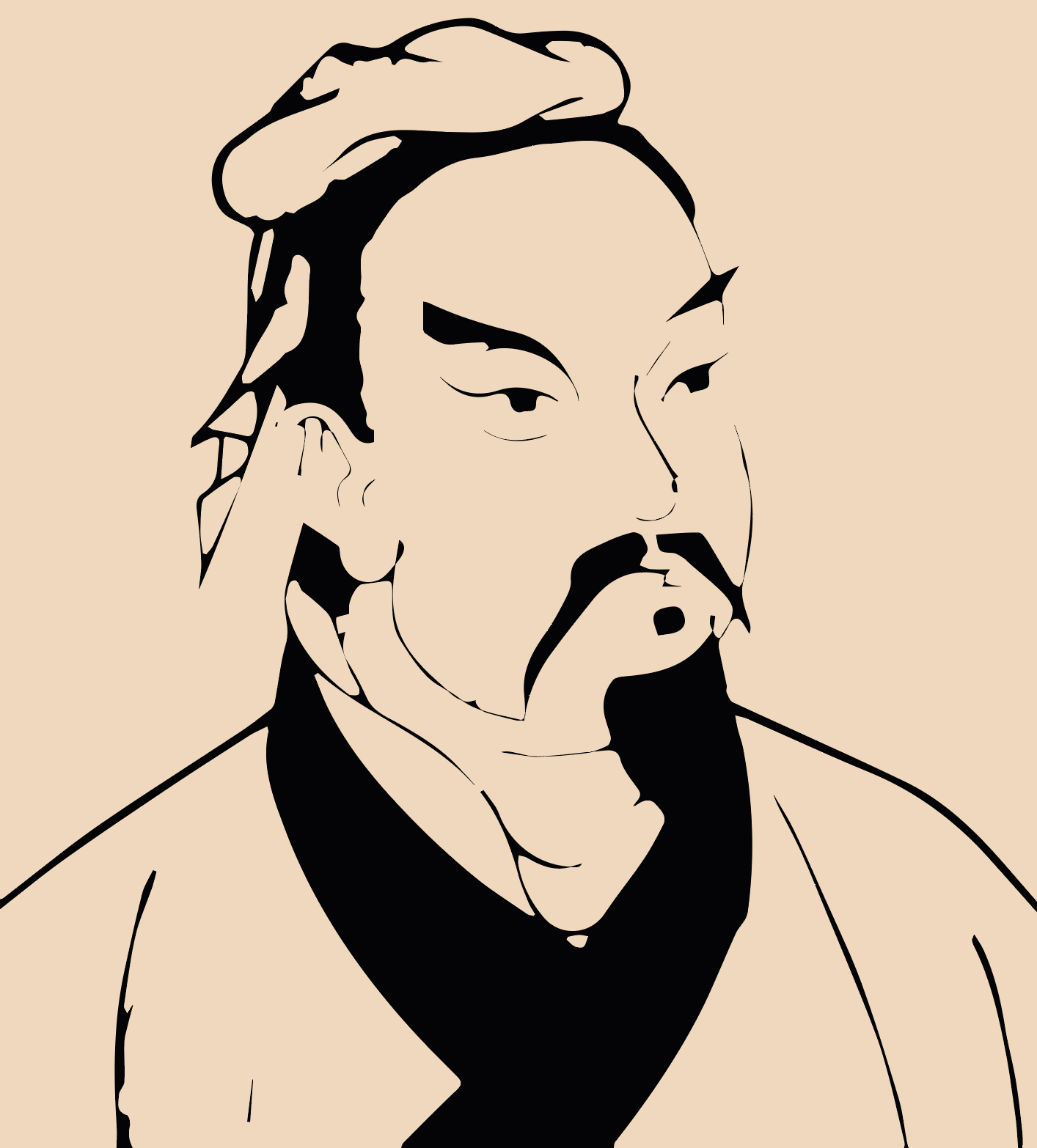
General Sun Tzu
My friend Tyler shared this quote with me, and it got me thinking: how does this relate to your game? Too often I'd get into a point and try to win without any sort of plan. I need intent-so whether I'm driving or dropping, I react with a why, not just hit and hope.
Planning with Intent
Most players go in without intent, which makes sense if you've never played before-you won't recognize patterns or know what intent looks like. This article helps you establish intent so you win more games. Players who "win first, then go to battle" are the ones who rack up wins.
Attack Where Your Opponent Is Weak
It's not just "drop or drive?" It's "be strong where your opponent is weak." If your opponent's return is short and bounces high, drive it. A short, high return puts them on the move and off balance. A volley on the move is challenging-but you could also mix in an aggressive drop and still be effective.
Identifying Specific Weaknesses
If you've already driven a couple balls and they keep dumping them into the net or mishitting along the line, they struggle with pace and power-so keep driving. But always consider personnel: who are you, and who are they? If your drive is weak, lean on your drop. Attack where they're weak and where you're strongest.
Leveraging Your Strengths
For a long time, my drive was poor, so I rarely used it. I stuck with my drop because I was more confident hitting it consistently. Your decision process should factor in your comfort zone. If you're strongest on roll drops cross-court, use that. If you've driven every ball, mix in a drop to catch them off guard.
Unpredictability and Certainty
Confidence comes from certainty. If you drop 100 percent of your balls, opponents know exactly what you'll do. To make them weaker, be unpredictable. Drive a few, then drop one. Keep them guessing.
Exploiting Fourth-Shot Weakness
Another scenario: if one player struggles on the fourth shot-after your drop or drive-bomb your drop to their side so you can capitalize on the kitchen advantage. Getting to the kitchen line unpressured is your biggest edge.
Recognizing Stacking and Positioning
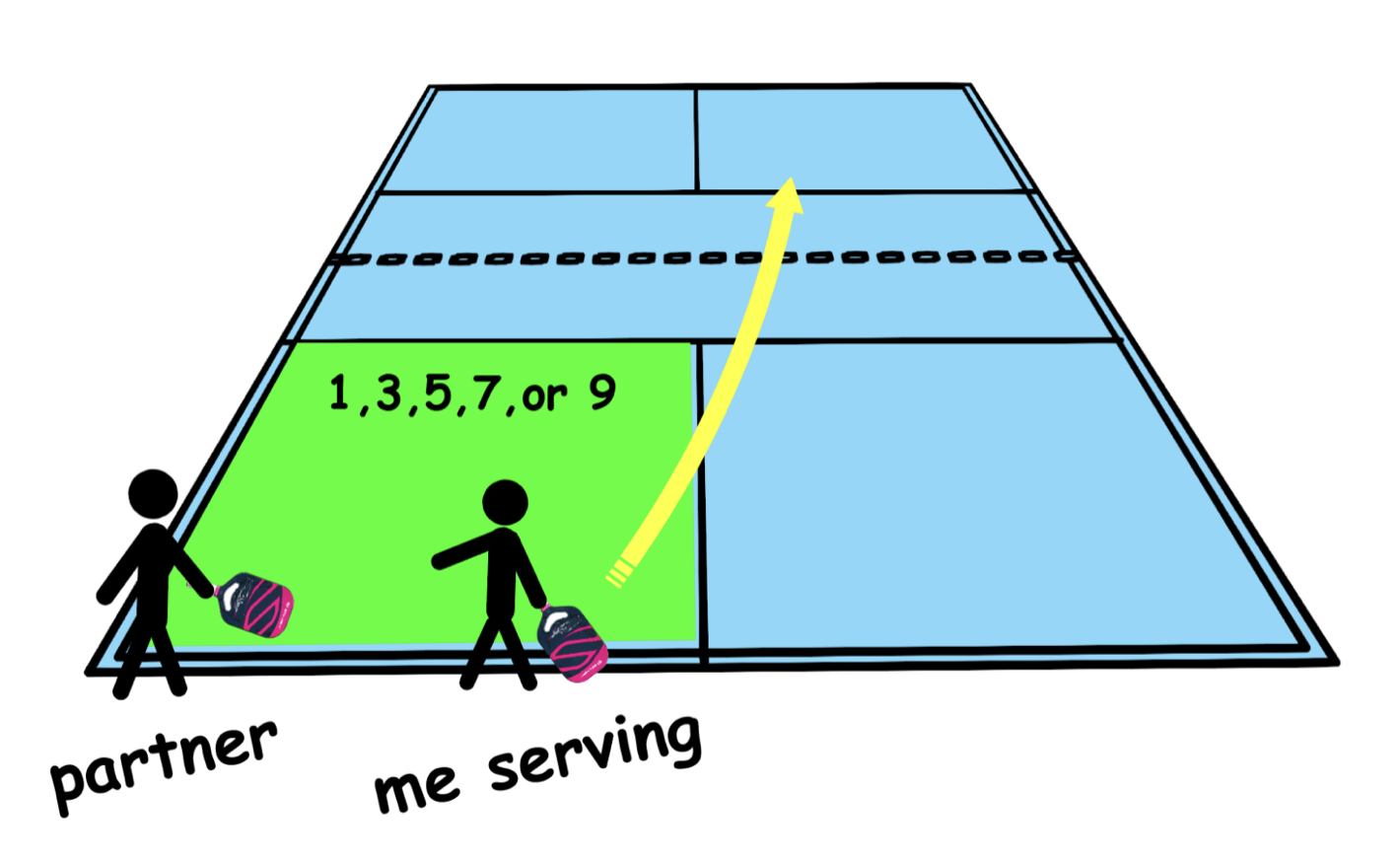
When opponents stack (figure 1)-shifting one partner to their stronger side-you must recognize it and punish their vulnerability with your strongest shot. (see my article that explains stacking here).
Putting It All Together
It's not simply "drop or drive?" It's understanding patterns: be strong where they're weak and where you're strong. The game will ask many questions; build a toolbox of responses so you execute with intent.
Takeaways for Beginners
Beginners struggle with when to drop versus drive-especially tennis converts. To avoid those mistakes, check out my article on the seven mistakes tennis players make when transitioning to pickleball.
Remember Sun Tzu: "Victorious warriors win first then go to war." Establish your plan, know your strengths and your opponent's weaknesses, and you'll win more matches.
The Rhythm Method: Alternating for Maximum Effect
One advanced concept I teach at ThatPickleballSchool is the rhythm disruption strategy. Here's how it works:
Game 1: Drop on every third shot. Opponents adjust their positioning and start creeping forward, expecting soft balls.
Game 2: Mix in 30-40% drives. Now they can't creep as aggressively, which makes your drops more effective when you do use them.
Game 3: Read their adjustment and counter it.
This creates a chess match rather than a predictable pattern. The best players I coach develop a "feel" for when the rhythm needs disrupting.
The 70/30 Rule
At recreational levels (3.0-4.0), I recommend a 70% drop, 30% drive split as a starting baseline. This gives you:
- A reliable neutral shot (the drop)
- Enough aggression to keep opponents honest
- Room to adjust based on what's working
As you advance to 4.5+, the ratio becomes more situational and depends heavily on opponent scouting and your own skill development.
Specific Situational Guidance
When the Return Lands Deep (Within 2 Feet of Baseline)
Default: Third shot drop
Why: You're far from the kitchen line. A drive from this distance gives your opponent time to react. A well-executed drop gives you time to advance and neutralize their positioning advantage.
Exception: If the return is high (bounces above waist level) even though it's deep, consider a drive to the middle or at the weaker player's body.
When the Return Lands Short (Inside the Service Line)
Default: Third shot drive (or aggressive drop)
Why: The short return means your opponent either mis-hit or is still moving forward. A drive capitalizes on their vulnerable position. Even if you choose to drop, make it aggressive and deep in their kitchen.
Exception: If the short return is very low, driving it may result in a net hit. In this case, drop it safely and advance.
When Playing Against Bangers
Default: Third shot drive (fight fire with fire)
Why: Players who love to bang often struggle with pace coming back at them. They're prepared for soft drops, not hard returns. Drive at their body or down the middle to force a difficult block.
Exception: Occasionally throw in a drop to disrupt their rhythm. When they finally get a soft ball after seeing five drives, they often over-hit it.
When Playing Against Skilled Dink Players
Default: Third shot drop
Why: Skilled dink players excel at resetting hard drives. They want you to speed up so they can counter-attack. Deny them that opportunity by matching their soft game.
Exception: If you have a strong drive and can target their weaker player (usually the non-dominant side), test it occasionally. But be prepared for good resets.
Body Language and Court Positioning Tells
Experienced players watch their opponents' positioning to inform third shot selection:
Tells That Scream "Drive Me"
- Leaning forward — Weight on front foot, creeping toward the kitchen line
- Standing tall — Upright posture, not ready to get low for a drive
- Split-stepping early — Committing to forward movement before you hit
- Paddle held high — Ready for a soft ball, not a hard one
Tells That Suggest "Drop It"
- Back on heels — Weight distributed back, ready to retreat
- Wide stance — Ready to defend, balanced
- Paddle at waist level — Neutral ready position
- Eyes on your backswing — Reading your preparation and ready to react
Learning to read these tells in real-time is what separates advanced players from intermediates. Professional players excel at this court awareness.
The "First Three Rallies" Scouting Method
I teach my students to use the first three points of a match as scouting opportunities:
Point 1: Hit a third shot drop and observe:
- How do they handle it?
- Do they attack aggressively or reset?
- Are they comfortable at the net?
Point 2: Hit a third shot drive and observe:
- Do they block it effectively?
- Do they panic or stay composed?
- Where do their returns land?
Point 3: Hit whichever they struggled with most in points 1-2
This systematic approach gives you data to make informed decisions for the rest of the match.
Partner Coordination: Who Drives, Who Drops?
In doubles, discuss with your partner before the match:
Option 1: Play to Your Strengths
- Player with better drop consistency takes more soft third shots
- Player with better drive takes aggressive third shots
- Signal before each point who's taking what role
Option 2: Side-Based Strategy
- Deuce side (right) drops more often (traditional, safer)
- Ad side (left) drives more often (backhand side, easier to drive)
Option 3: Opponent-Based
- Both players target the weaker opponent with their strongest third shot
Whatever system you choose, communicate clearly. Silent partners lead to confusion and lost points.
Equipment Considerations
Your paddle choice significantly impacts third shot effectiveness:
For Players Who Prefer Drops
Look for paddles with:
- Great touch and control — Softer face materials
- Larger sweet spot — Forgiveness on off-center hits
- Moderate weight (7.5-8.0 oz) — Balance of control and stability
Check our paddle buying guide for specific recommendations.
For Players Who Prefer Drives
Look for paddles with:
- Power and pop — Carbon fiber or power-oriented cores
- Smaller sweet spot acceptable — You're hitting more aggressively anyway
- Slightly heavier (8.0-8.4 oz) — Drives through the ball better
See what paddles top professionals use when they employ drive-heavy strategies.
Advanced Concept: The Fake-Out Drop
One shot I love teaching is the "fake-out drop" — a shot that looks like a drop but is actually a drive, or vice versa.
The Fake Drop (Actually a Drive)
Setup:
- Prepare with the same stance you'd use for a drop
- Soft backswing, bent knees
- At the last moment, accelerate through contact
Effect: Opponent is moving forward expecting a soft ball and gets burned by pace
Risk: If you miss-hit, it's often a pop-up that gets smashed
The Fake Drive (Actually a Drop)
Setup:
- Prepare with a big backswing like you're loading up to drive
- Step into it aggressively
- At contact, soften your grip and absorb pace
Effect: Opponent backs up or stays back expecting pace, and the drop lands uncontested in their kitchen
Risk: Harder to execute consistently; requires excellent touch
These deception shots should be used sparingly (maybe once per match) for maximum effectiveness.
Common Third Shot Mistakes
Mistake #1: Being Too Predictable
Dropping every single time makes you easy to attack. Fix: Mix in drives at least 20-30% of the time.
Mistake #2: Driving When You Can't Execute
Hitting drives you can't control gives free points to opponents. Fix: Practice your drive until it's reliable before using it in competition.
Mistake #3: Not Advancing After the Third Shot
Players hit a beautiful drop, then stand at the baseline admiring it. Fix: The third shot is a transition shot—move forward immediately after contact.
Mistake #4: Ignoring the Score
When you're down 2-10, maybe it's time to be more aggressive with drives. When you're up 10-2, maybe play it safe with drops. Fix: Adjust strategy based on score and momentum.
Mistake #5: Not Communicating with Your Partner
Your partner doesn't know if you're dropping or driving, leading to poor positioning. Fix: Use hand signals or verbal calls before each point.
Integration with Your Overall Game
The third shot doesn't exist in isolation. It's connected to:
- Your serve — Deep, aggressive serves set up easier third shots
- Their return — Reading return depth and height informs your choice
- Fourth shot plans — Know how to handle their response
- Fifth shot options — Have a plan for the next shot after your third
- Net game skills — Your backhand techniques matter once you get to the kitchen
Think of pickleball as a sequence of connected decisions, not isolated shots.
Frequently Asked Questions
What's better for beginners: learning the drop or the drive first?
Start with the third shot drop. It's more forgiving, keeps you in more rallies, and teaches you touch and control—fundamental skills for long-term development. Once you have a consistent drop (landing 7 out of 10 in the kitchen), start adding drives. Most 3.0-3.5 players should focus 80% on developing a reliable drop.
How do I know if my drive is good enough to use in competition?
Test it with this drill: From the baseline, try to drive 10 balls in a row that land past the kitchen line but inside the baseline, with pace. If you can do this with 70%+ success, your drive is competition-ready. Below that, it's still a practice shot. Also consider whether you can drive to specific targets (left player, right player, middle) with control.
Should I change my third shot selection based on the wind?
Absolutely. With the wind (wind at your back): Drives are riskier because the wind carries them long; favor drops. Against the wind (wind in your face): Drops are riskier because wind can knock them into the net; favor drives or aggressive, higher-arc drops. Cross-wind: Be aware that both shots will drift—aim accordingly and maybe add 10-15% more to your target margin.
What if my partner and I disagree on whether to drop or drive?
Communicate before the match and establish a system. If disagreement persists during play, default to the safer option (drop) and discuss it after the game. In high-pressure situations, the player who's "on fire" should get priority on shot selection. Trust the hot hand.
Think you know pickleball inside and out? Challenge yourself with ThatPickleball IQ Test and see if you can score a perfect 10 out of 10!
Related Articles:
How to Choose a Pickleball Paddle
Professional Pickleball Players and Their Paddle Choices
Best Way to Handle Midcourt Resets
Enjoyed this? Get weekly insights.
Join 2,000+ pickleball players who get our newsletter
About Kyle Koszuta
Kyle Koszuta is a passionate pickleball player and contributor to Pickleball Portal, sharing insights and expertise to help players of all levels improve their game.
Share this article: