
Independent & Unbiased
Founded in 2017, Pickleball Portal is one of the original pickleball content sites — built before the sport went mainstream. Our reviews are written by 14 independent contributors who play competitively and test gear firsthand. We may earn a small commission through affiliate links, but this never influences our recommendations. You pay nothing extra.

James Ignatowich
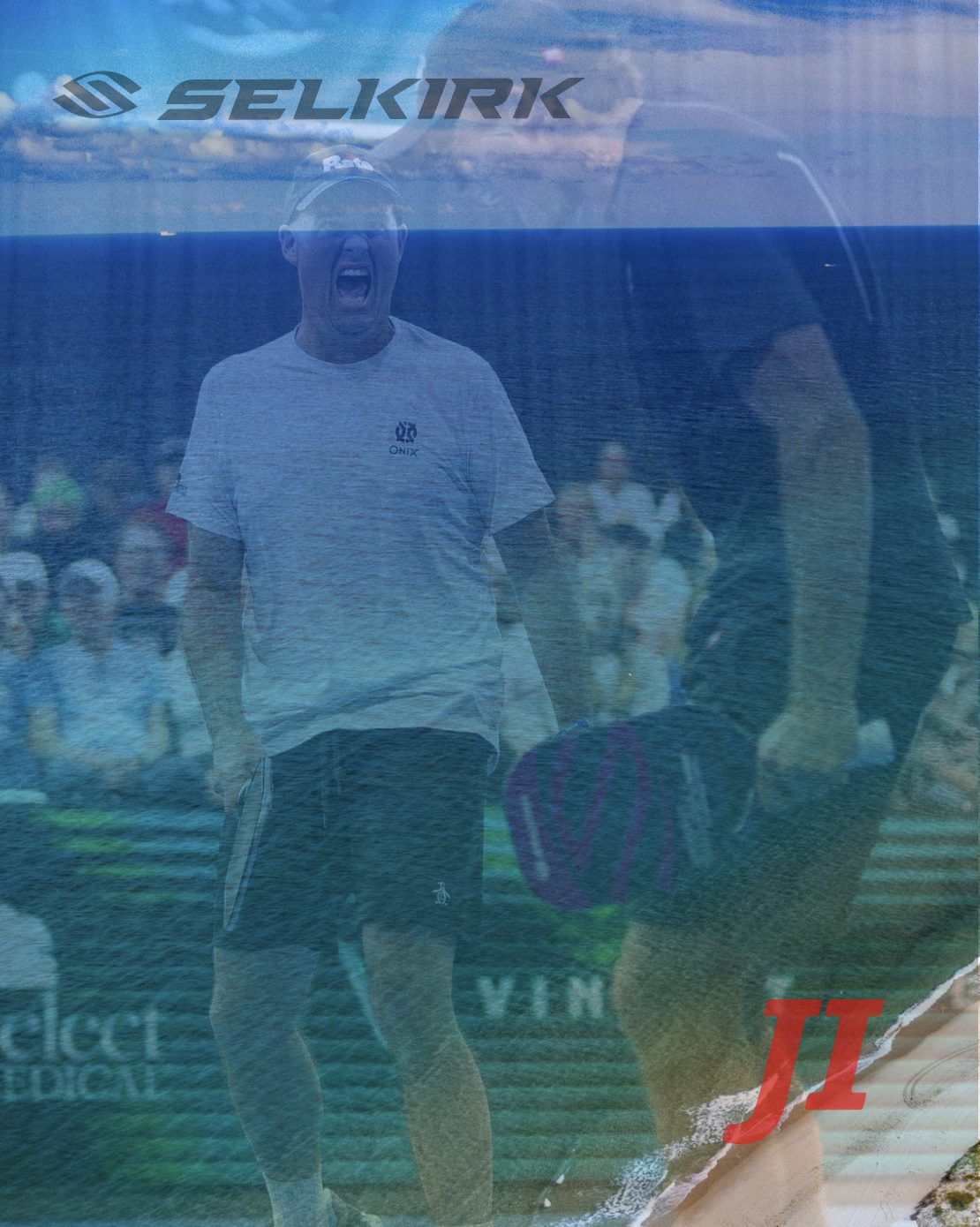
Top 5 Pro Player James Ignatowich
Hey guys, this is James Ignatowich from Delray Beach. When you’re hitting a forehand dink, your paddle should finish on the same side it started on. The motion should be smooth and controlled, with your paddle moving forward to brush the ball and generate topspin (figure 1). A common mistake is trying to generate topspin by flicking the wrist, but that leads to inconsistency.
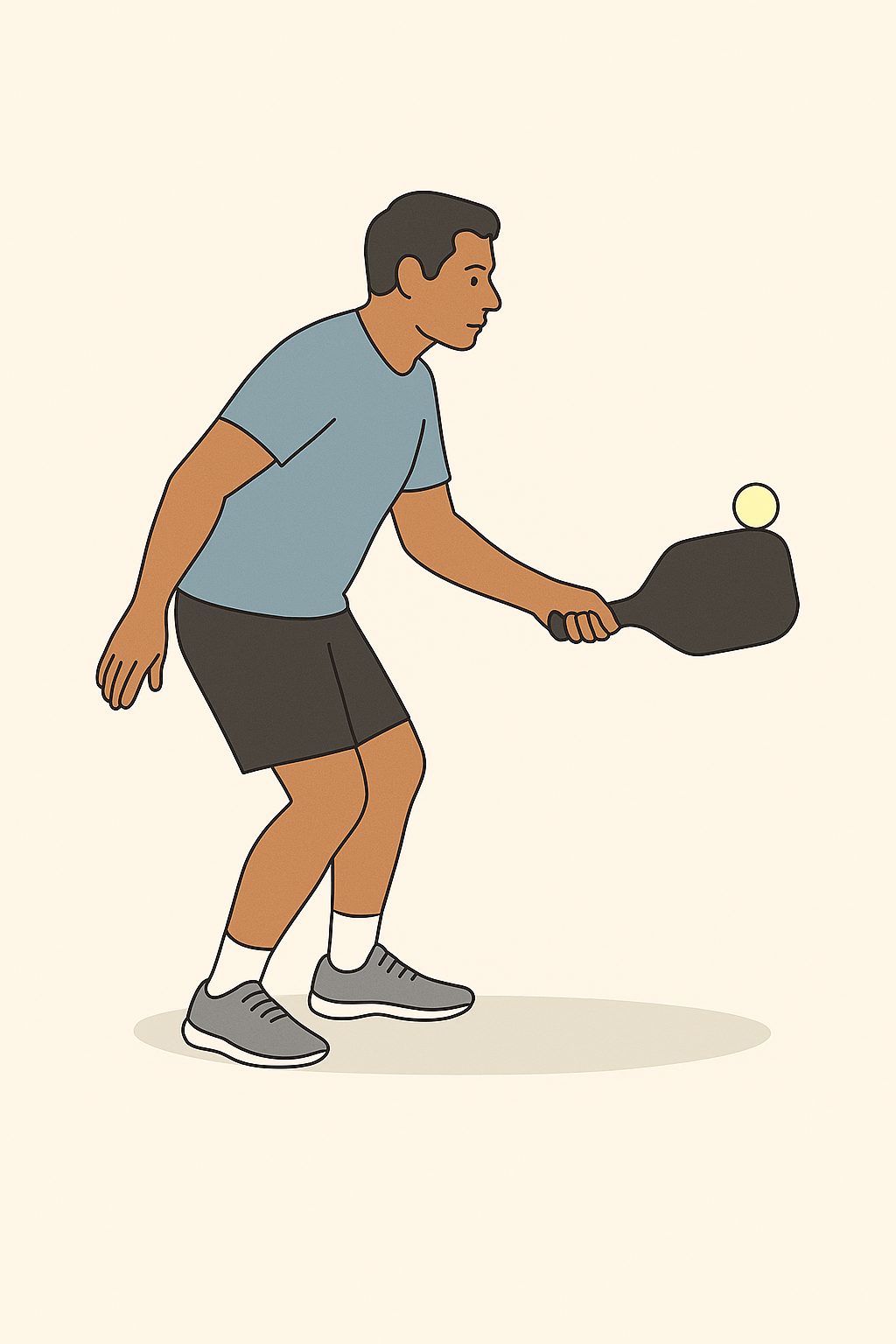
(figure 1)
To get true topspin, the paddle face should start below your hand, and you should simply push forward through the ball. This motion is repeatable and reliable—exactly what you want for consistent dinks.
Avoid Using Your Wrist for Topspin on Dinks
Yes, it’s possible to generate topspin using wrist action, but it’s not sustainable. You might get away with it once or twice, but you won’t be able to do it 50 times in a row. If you feel your paddle starting to flip or your wrist taking over, reset your form. Wristy dinks lead to mistakes.

When Wrist Action Is Useful
Wrist action does have its place—like when you’re hitting a topspin roll or driving the ball with pace. If you’re being aggressive and want to add velocity and topspin to a shot, go for it. But on dinks, power isn’t the goal—consistency is. Using your wrist on a dink will only hurt your control and increase your errors.
For exclusive content and special giveaways, make sure to check out the full James Ignatowich newsletter.
Related Articles:

About James Ignatowich
Pickleball Portal Contributor
James Ignatowich is a contributor to Pickleball Portal, sharing insights and expertise to help players of all levels improve their game.