Independent & Unbiased
Founded in 2017, Pickleball Portal is one of the original pickleball content sites — built before the sport went mainstream. Our reviews are written by 14 independent contributors who play competitively and test gear firsthand. We may earn a small commission through affiliate links, but this never influences our recommendations. You pay nothing extra.
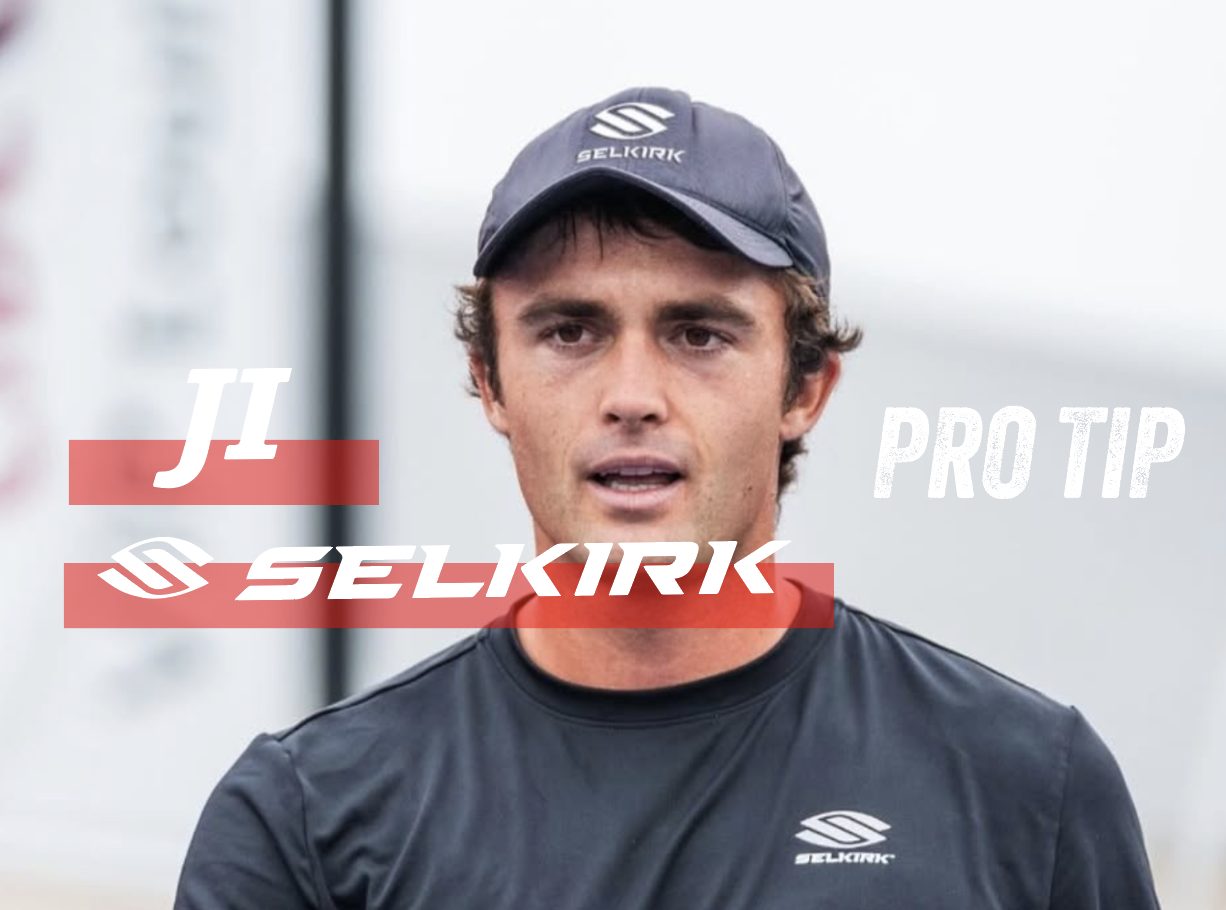
Top 5 Pro Player James Ignatowich
Hey guys, this is James Ignatowich, and today I'm going to cover how to hit the backhand flick. It's a little different from a backhand roll. Some people confuse these two shots, but they are completely different techniques that serve distinct purposes in your offensive arsenal.
Understanding the Backhand Roll
The backhand roll comes more from your arm. It's something you'll see Ben Johns do often. It's low to high, brushing up the back of the ball to create topspin. The motion starts with your paddle below the ball and you roll through contact, using your whole arm to generate spin.
This shot is excellent for:
- Pace changes — You can speed up or slow down mid-rally
- Very low dinks — Better control when the ball is below the net
- Consistent aggression — More repeatable than the flick
- Setting up follow-up attacks — The topspin keeps it in play
Ben Johns has mastered the backhand roll because it gives him control while still applying pressure. You'll see him use it to change the rhythm of a dinking rally, forcing opponents to adjust their timing.
The Backhand Flick: A Different Beast
The backhand flick, on the other hand, relies almost entirely on your wrist. When I'm hitting a backhand flick, I use basically no arm motion. It's not as much of a low to high movement. One of the advantages of the backhand flick is that you can meet the ball more in front than if you were rolling it from low to high. This allows me to attack a few more balls with the backhand flick as opposed to the backhand roll.
The key distinction: the flick is a wrist snap, not an arm swing.
Think of it like a table tennis forehand flick. Your arm position stays relatively stable, and all the power comes from rapid wrist acceleration through contact. This compact motion has several advantages:
Speed of Execution
Because you're not loading up with a big backswing, the backhand flick can catch opponents off-guard. The ball is off your paddle before they realize you're attacking. This element of surprise is crucial when you're trying to end a dinking rally.
Contact Point
With the backhand flick, you can make contact further in front of your body than with a roll. This forward contact point means:
- Better angles are available
- You can attack balls that are still rising
- Your opponent has less time to react
- You can redirect balls cross-court more effectively
When to Use the Backhand Flick
I use the backhand flick when:
- The dink is at or slightly above net height — This is the sweet spot
- I want to end the rally quickly — Not set up another shot
- My opponent is leaning or moving — They can't change direction fast enough
- I have good court position — Usually when I'm inside the kitchen line
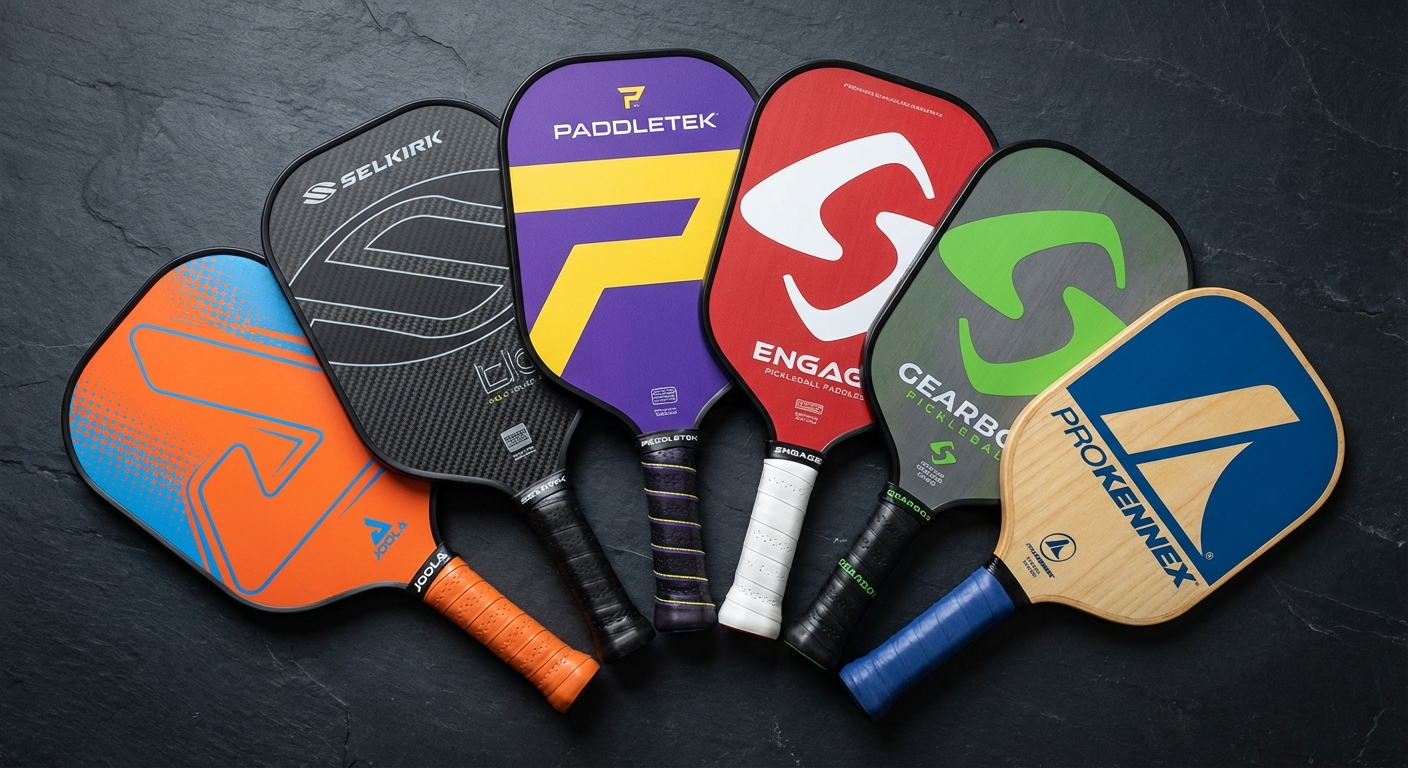
How To Choose a Pickleball Paddle: The Complete Buyer's Guide (2026)
The Trade-Offs: Control vs. Power
However, one of the disadvantages of the backhand flick is that it might be harder to control, especially with very low dinks. I find it tougher to control and change the pace of that shot. With a backhand roll, you can change and go off pace more easily.
This is a critical point for players deciding which shot to develop first. The backhand roll is more forgiving and versatile. The backhand flick is higher risk, higher reward.
Control Comparison:
| Aspect | Backhand Roll | Backhand Flick |
|---|---|---|
| Pace variation | Excellent | Limited |
| Low ball control | Very good | Difficult |
| Consistency | High | Moderate |
| Power potential | Moderate | High |
| Surprise factor | Low | High |
Body Position: The Foundation of a Great Flick
Another important aspect of the backhand flick is that you have to get low. The players with the best backhand flicks are down low when doing it. I don't stand up straight because if you're attacking a ball out of the air, usually you're going to be attacking it around net height. Anything above net height isn't necessarily a backhand flick; it's more about going from high to low to crush the ball.
Getting low serves multiple purposes:
Better Angle Control
When you're low, you can better judge the height of the net relative to the ball. This helps you calculate the angle needed to clear the net while still keeping the ball down on your opponent.
More Power Through the Shot
A lower body position allows you to use your legs and core to drive through the shot. Even though the flick is primarily a wrist shot, the lower you are, the more you can push up through contact, adding pace.
Quicker Recovery
If you're already low when you flick, you're in a better position to defend if your opponent somehow gets the ball back. You don't have to drop down again—you're already there.
The Sweet Spot for the Backhand Flick
A backhand flick is most effective when the dink is around net height, maybe slightly higher or lower. You're getting low and meeting it as far in front as possible.
This "sweet spot" is typically 6-12 inches above net height. Any lower, and you'll struggle with the net. Any higher, and you should be using a different attacking shot (like a put-away or standard speedup).
Find Your Perfect Paddle
Take our 60-second quiz and get matched with your ideal paddle
Technical Breakdown: How to Execute
Here's my step-by-step process for the backhand flick:
- Read the incoming ball early — Identify it's going to be at net height
- Get low — Bend your knees, get your center of gravity down
- Prepare your wrist — Cock it back slightly, paddle face slightly open
- Step into the shot — Move your front foot toward the contact point
- Snap the wrist — Quick acceleration through contact, minimal arm movement
- Follow through — Short follow-through, immediately recover to ready position
The entire motion should feel compact and explosive. You're not winding up—you're snapping.
Paddle Selection Matters
The effectiveness of your backhand flick can be enhanced by choosing the right paddle. I prefer a paddle with:
- Moderate weight (7.8-8.2 oz) — Enough mass for power, not so much you can't snap it
- Good pop — Helps generate pace with minimal swing
- Responsive sweet spot — Gives feedback on contact quality
Many professional players use power-oriented paddles for this very reason. The natural pop of the paddle amplifies the wrist snap.
Drills to Develop Both Shots
Drill 1: Alternating Roll and Flick
Have a partner feed you dinks at net height. Alternate between rolling and flicking every other ball. This helps you feel the difference in mechanics and learn when each is appropriate.
Drill 2: Height-Specific Targets
Set up targets at different heights:
- Low (below net): Practice rolls only
- Medium (net height): Practice both
- High (above net): Practice standard speedups
This trains your shot selection based on ball height.
Drill 3: Reactive Flicking
Play cooperative dinking rallies where you can only attack with a backhand flick when your partner gives you a "green light" ball (slightly high). This simulates game situations where you have to recognize and capitalize on attackable balls.
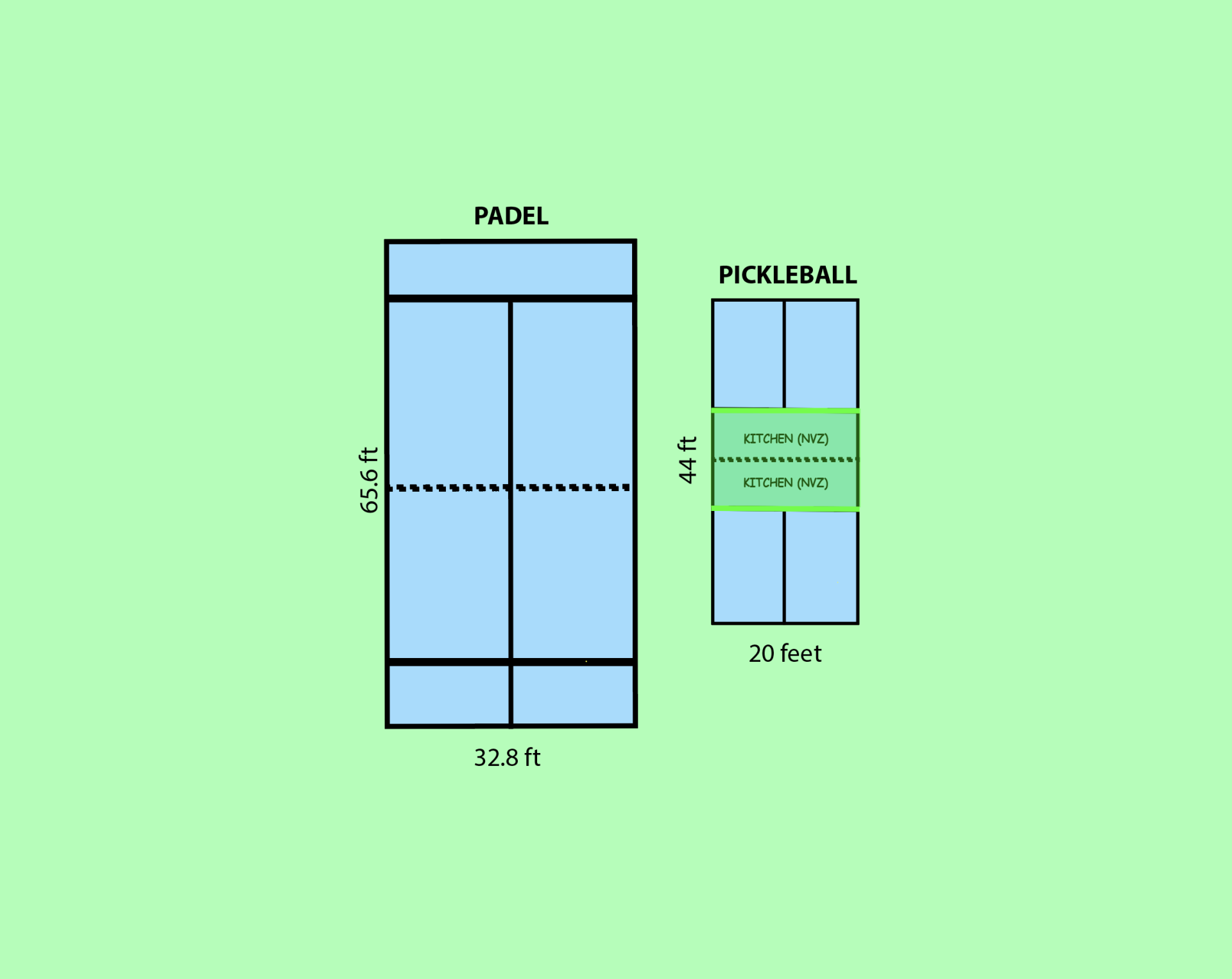
Padel vs. Pickleball (2026): A crisp, no-fluff comparison
Common Mistakes to Avoid
Using Arm Instead of Wrist
The most common error I see is players trying to flick with their arm. This slows down the shot, telegraphs your intention, and reduces control. Keep the arm quiet—let the wrist do the work.
Standing Too Tall
If you're not low, you'll either hit the net or pop the ball up. Get down into an athletic position every single time.
Flicking Low Balls
Don't try to flick balls that are below net height. Use a roll or keep dinking. The flick isn't the right tool for low balls.
Not Following Through
Even though it's a wrist shot, you still need a follow-through. A complete stop at contact reduces power and control.
Game Application: Reading the Rally
The key to using the backhand flick effectively is understanding rally dynamics. You need to:
- Recognize patterns — Is your opponent dinking predictably?
- Look for leaning — Are they off-balance or leaning one direction?
- Create the opportunity — Sometimes you need to dink strategically to get the attackable ball
- Commit to the shot — Hesitation kills the flick
The best players blend the backhand roll and backhand flick seamlessly, keeping opponents guessing which attack is coming.
Frequently Asked Questions
Should I learn the backhand roll or backhand flick first?
Start with the backhand roll. It's more forgiving, works on more balls, and helps you understand topspin mechanics. Once you have a solid roll, add the flick as a complementary weapon. Most 4.0 players should focus on the roll; 4.5+ players benefit significantly from developing both.
What paddle is best for the backhand flick?
Look for paddles with good "pop" or power characteristics. I've had success with elongated paddles that give me extra reach for that forward contact point. Check out our paddle comparison guide for current recommendations. The JOOLA Ben Johns Hyperion series works well for both rolls and flicks due to its responsive sweet spot.
Can I use the backhand flick in doubles positioning?
Absolutely. In fact, it's particularly effective in doubles when you're at the kitchen line and your opponent dinks to your backhand. The quick wrist snap allows you to attack without a big windup that might alert your opponent or throw off your partner. Just make sure you're not flicking when you should be resetting—midcourt positioning matters.
For exclusive content and special giveaways, make sure to check out the full James Ignatowich newsletter.

About James Ignatowich
Pickleball Portal Contributor
James Ignatowich is a contributor to Pickleball Portal, sharing insights and expertise to help players of all levels improve their game.