Independent & Unbiased
Founded in 2017, Pickleball Portal is one of the original pickleball content sites — built before the sport went mainstream. Our reviews are written by 14 independent contributors who play competitively and test gear firsthand. We may earn a small commission through affiliate links, but this never influences our recommendations. You pay nothing extra.

James Ignatowich
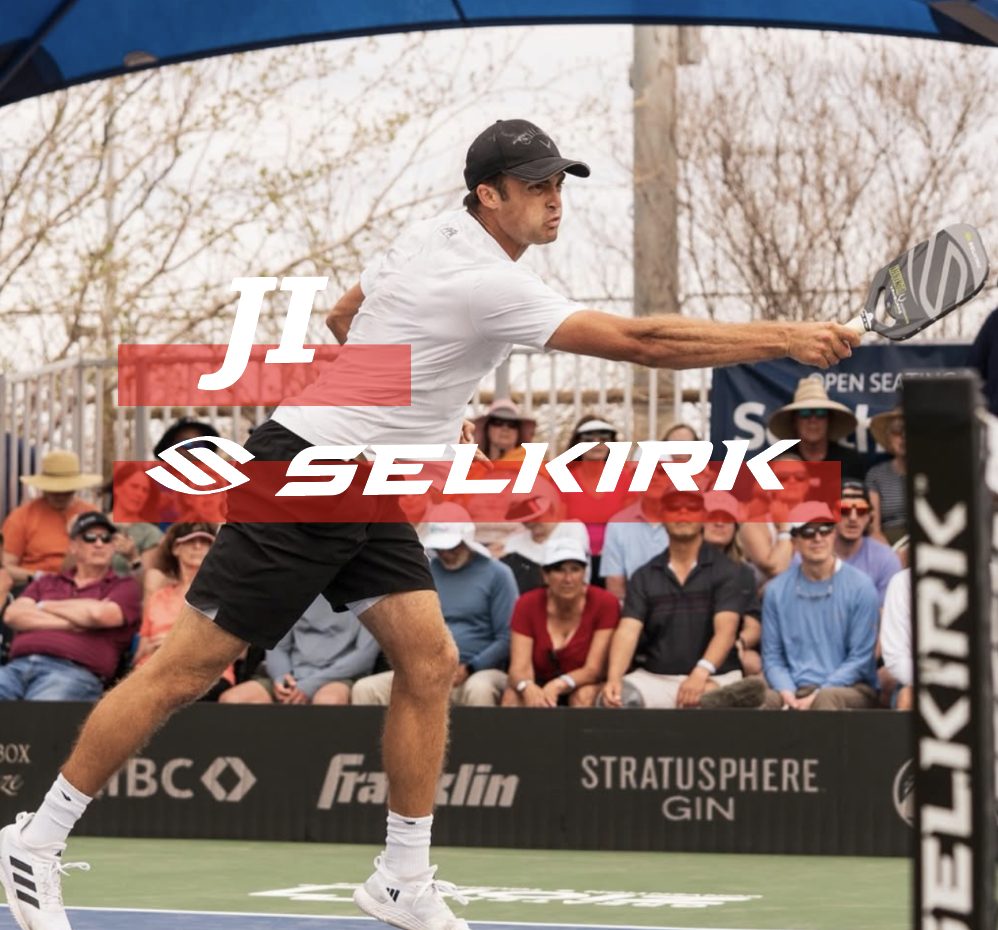
Top 5 Pro Player James Ignatowich
Hey guys, this is James Ignatowich. One of the most common mistakes players make with the backhand sliced dink is using too much wrist. The wrist isn’t really what you want driving the shot. When you rely too much on wrist movement, it creates inconsistency and makes it harder to control the ball. The purpose of the backhand slice in dinking isn’t to load the ball up with heavy spin—it’s more about control and placement.
Avoid Hacking at the Slice
Yes, you do want some spin on the ball, but the mistake a lot of players make is “hacking” at it, as if they’re trying to carve the ball with an exaggerated motion. That kind of stroke usually leads to errors on your side of the net more often than it forces mistakes from your opponent. At just about every level of play, over-slicing the dink backfires.

Compact and Simple Motion
If you study the top pros who hit the best sliced dinks, you’ll notice their technique is compact and simple. Their stroke doesn’t have a lot of extra movement. That’s because the sliced dink is not designed to be an aggressive, point-ending shot. Instead, it’s a steadying shot that keeps the ball low, neutralizes the rally, and sets up opportunities later in the point.
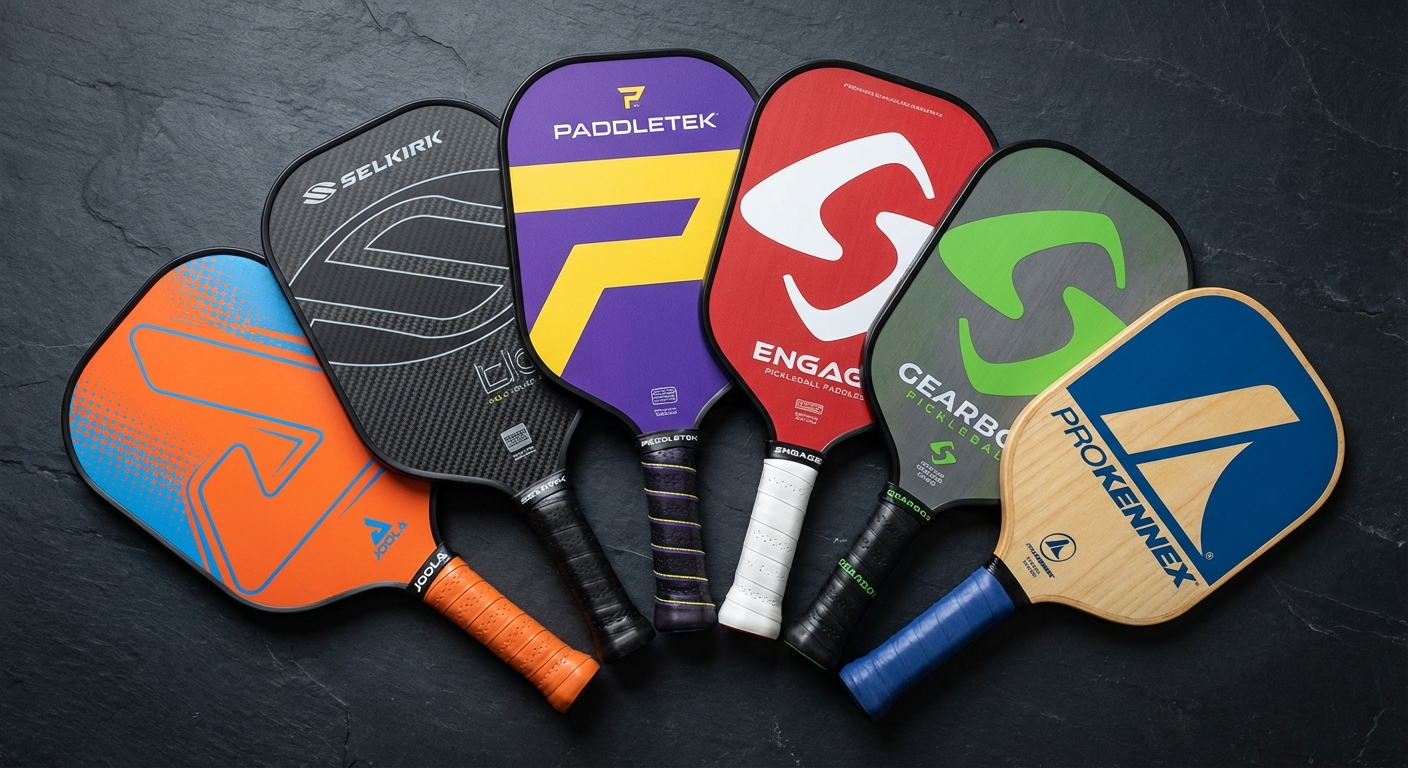
How To Choose a Pickleball Paddle: The Complete Buyer's Guide (2026)
A Neutral Shot Driven by the Arm
Think of the sliced dink as a neutral shot. It’s not about overpowering or outspinning your opponent—it’s about consistency. The swing should come more from your arm rather than your wrist, giving the stroke a smoother, controlled path. When done correctly, it looks clean and repeatable instead of choppy or forced.
For exclusive content and special giveaways, make sure to check out the full James Ignatowich newsletter.
Editor’s Note: This article is based on a video by James Ignatowich. We partnered with him to highlight key concepts in a written format for players who prefer to read or reference drills on the court.
Related Articles:

About James Ignatowich
Pickleball Portal Contributor
James Ignatowich is a contributor to Pickleball Portal, sharing insights and expertise to help players of all levels improve their game.