Independent & Unbiased
Founded in 2017, Pickleball Portal is one of the original pickleball content sites — built before the sport went mainstream. Our reviews are written by 14 independent contributors who play competitively and test gear firsthand. We may earn a small commission through affiliate links, but this never influences our recommendations. You pay nothing extra.

JohnCincolaPickleball
Hey guys, it’s John from John Cincola Pickleball. When I watch pros versus amateurs, one of the biggest differences I see is the fourth shot. It’s the one moment where you can go in with an aggressive mindset—and most amateurs just don’t. In this article, I will cover the shot that pros use to change the dynamic of every point.
Your Options on the Fourth Shot
We’re the receiving team. Our opponents served, we returned, and now we’re running up to the kitchen line—assuming they’re going to do a third shot drop. That means we’ve got three main options.
Option 1: Reach In and Volley
Ideally, you take that ball out of the air. A roll volley lets you apply pressure and keep your opponents back. Done right, it can even win the point before they reach the kitchen line.
Option 2: The Half Volley (Not Ideal)
If the drop is too good to volley, and you stay on the line, you’ll be forced into a half volley. This shot can’t be aggressive—it’s soft, with upward motion—so you’re usually giving up the kitchen line.
Option 3: The Step Back
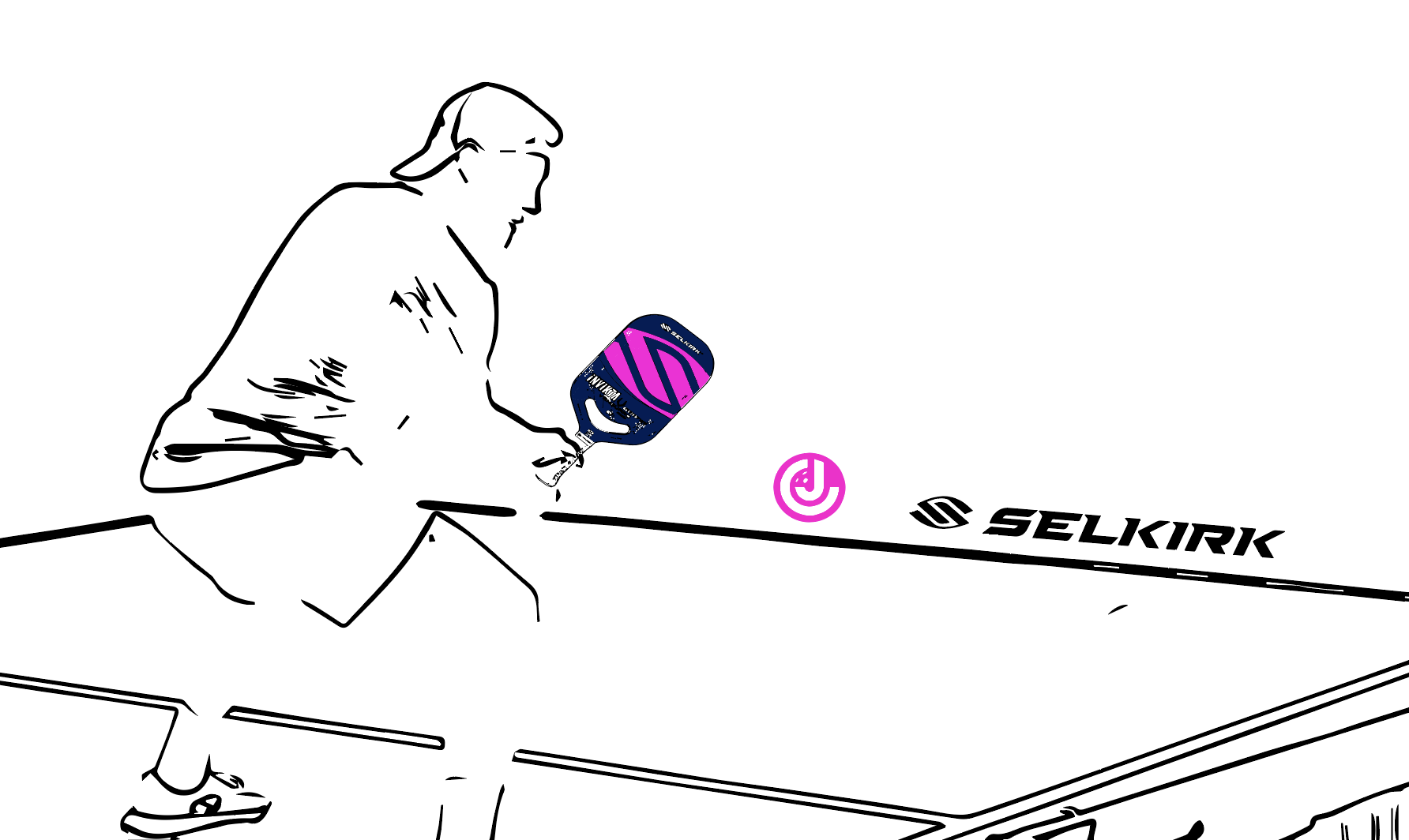
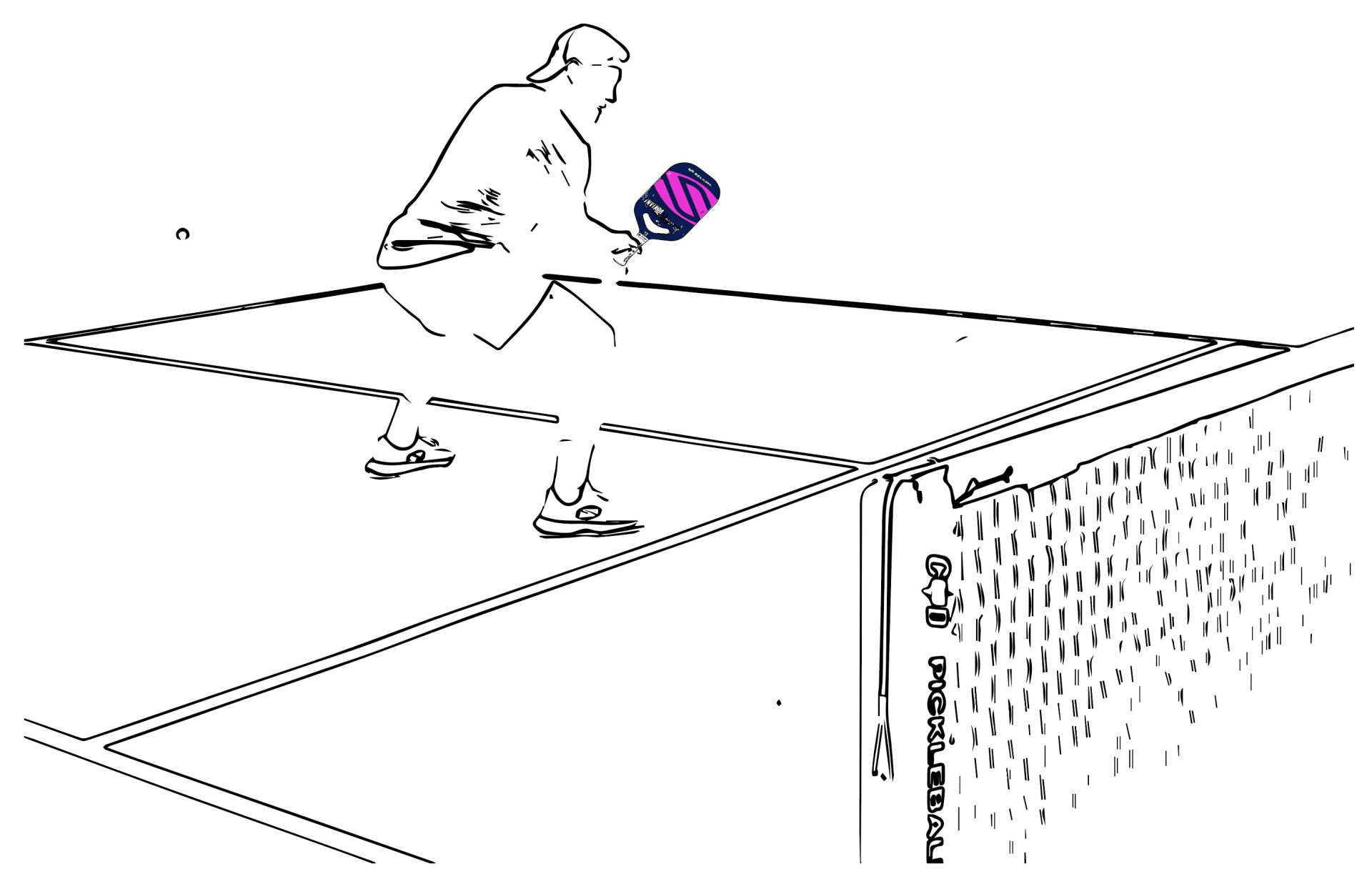
This is the underused option. Instead of taking the ball early, take a quick step back, open your hips, and let it bounce to its peak (figure 1). This creates space, allows for better timing, and gives you the chance to hit an aggressive topspin groundstroke.
Why the Step Back Works
As the receiving team, we want to protect our advantage of getting to the net first. A half volley gives that up. But stepping back lets us keep that edge—it creates threat, time, spin, and pace.
You can also bait your opponent. If they’re in transition and you speed it up, they might fire back. That’s fine—if you’re at the kitchen line and they’re not, you’ve got the high ground. Like Obi-Wan said: “It’s over, Anakin. I have the high ground.”
How to Execute the Step Back: 5 Steps
- Recognize the ball – Can you take it out of the air? If not, and it has a high arc, it’s prime for a step back.
- Drop your outside foot – On the forehand side, that’s your right foot. Open your hips to create space.
- Get the paddle tip under the ball – Stay low and prep for lift.
- Compact topspin swing – Snap up, finish in your ready position.
- Be ready for the volley – They might counter, but stay calm and fire back.
When to Skip the Step Back
If your return is short, your opponent can drop lower and move in faster. That’s when you might be forced to play a soft half volley and give up the net—then work to win the point another way.
That’s all I’ve got. Hope you enjoyed the article. Don’t forget to screenshot this breakdown so you’ve got it handy next time you hit the court.
For exclusive content and full-version tutorials, make sure to check out my YouTube channel, ➡️ John Cincola Pickleball.
Related Articles:

About John Cincola
Pickleball Portal Contributor
John Cincola is a contributor to Pickleball Portal, sharing insights and expertise to help players of all levels improve their game.